
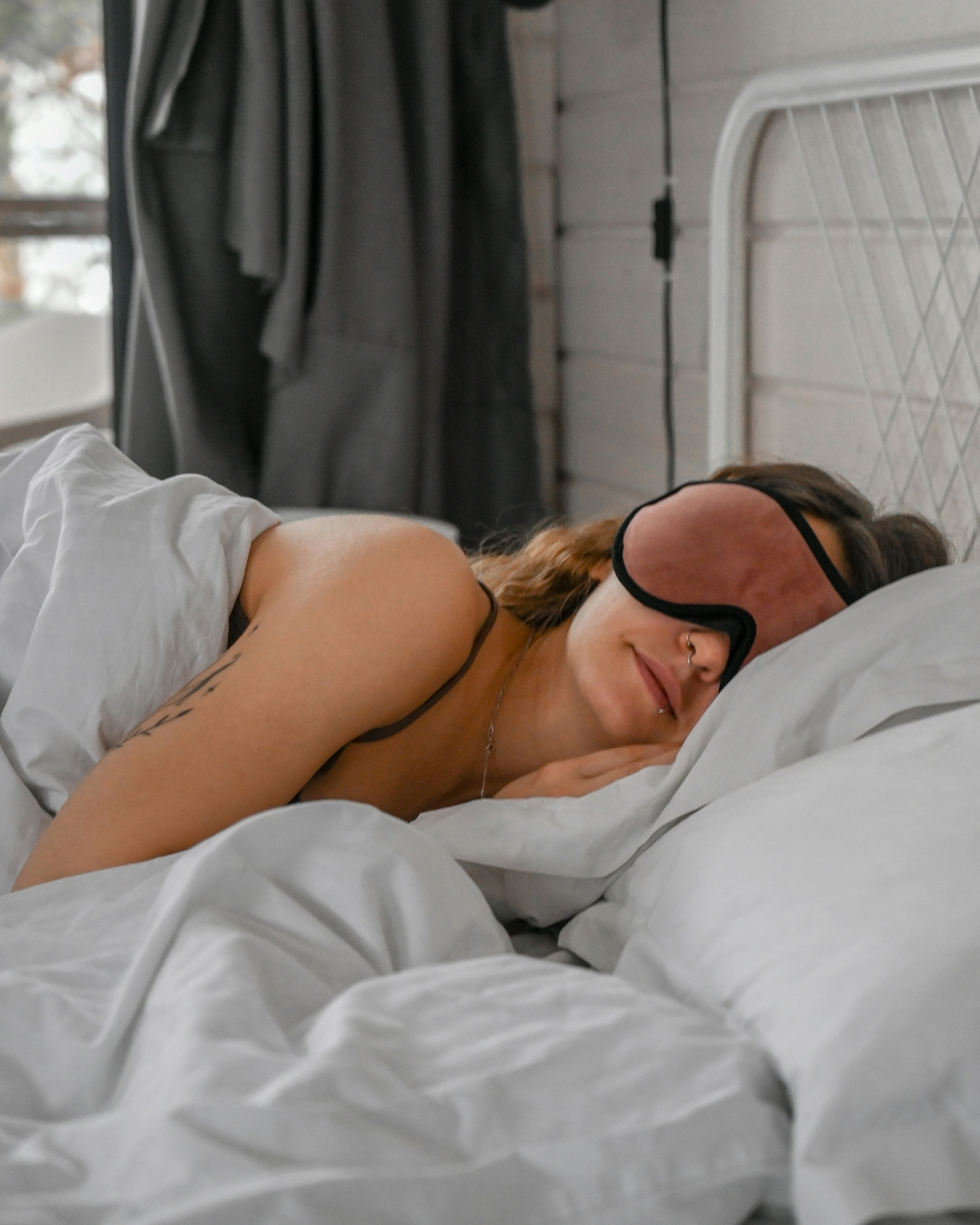
Master Your Sleep: Proven Strategies Beyond Supplements
Sleep is the foundation everything else is built on — hormones, metabolism, mood, immunity, body composition, even how long you live. Here’s what the latest sleep science says and a realistic protocol to actually fix it. No magic supplement. No expensive gadget. Just the levers that actually move the needle.
What sleep actually does
For decades, sleep was treated as the thing you do when you’re not awake. We now know it’s a high-intensity biological work shift — arguably the most important hours of your day. During sleep, your body:
- Clears metabolic waste from your brain (the glymphatic system literally washes your brain)
- Consolidates memory and learning
- Releases growth hormone for tissue repair
- Regulates cortisol (stress hormone) and ghrelin/leptin (hunger hormones)
- Rebuilds the immune system
- Processes emotional experiences and regulates mood
- Repairs muscle, ligament, and cellular damage
Miss enough of this, and the cost shows up everywhere — weight gain, brain fog, anxiety, inflammation, hormonal dysregulation, accelerated aging.
The metabolic cost of bad sleep
Even one bad night of sleep raises cortisol and insulin resistance the next day. Five nights of restricted sleep (5–6 hours) reduces insulin sensitivity by 25–40% in healthy young adults. Chronic short sleep is associated with weight gain, type 2 diabetes, and metabolic syndrome — independent of diet and exercise.
If you’ve been doing “everything right” with food and movement but the scale won’t budge, sleep is usually the missing variable.
The hormonal cost
Poor sleep wrecks hormones across the board:
- Cortisol rises in the evening (it should be falling)
- Testosterone drops — one week of 5-hour nights lowers T by 15% in men
- Growth hormone — the natural anti-aging hormone — barely releases without deep sleep
- Leptin (satiety hormone) drops; ghrelin (hunger hormone) rises — you eat more and feel less full
- Thyroid conversion is impaired
- Estrogen and progesterone cycles become more erratic
The 5-pillar sleep protocol
These five inputs do 80% of the work. Get them right and the rest is fine-tuning.
1. Consistent timing
Same bedtime and same wake time, seven days a week (yes, weekends too). Your circadian rhythm thrives on consistency. Going to bed 2 hours later on the weekend creates “social jet lag” that affects you for days. Pick a window that works for your life and protect it.
2. Morning light exposure
10–20 minutes of bright outdoor light within an hour of waking. This anchors your circadian rhythm and tells your brain it’s daytime — which makes you sleepy at the right time that night. Light through a window is not as effective as outdoor light. Even cloudy days are 10–100x brighter outside than typical indoor light.
3. Dark, cool, quiet bedroom
Your bedroom should be:
- Dark — blackout curtains, no LEDs visible, eye mask if needed
- Cool — 65–68°F. Your body temperature drops to enter deep sleep
- Quiet — or use white noise to mask interruptions
- Screen-free — phones outside the bedroom or at least face-down on a far surface
4. Pre-sleep wind-down
The hour before bed matters more than most people realize. Aim for:
- Screens off (or blue-light filter on) 30–60 minutes before bed
- Lower the lights in your home in the evening
- No high-intensity exercise within 2 hours of bed (morning or afternoon training is better)
- No work email or news scrolling in the bedroom
- A calming pre-bed habit — reading, journaling, breathwork, stretching
5. Stop eating 3 hours before bed
Late eating is one of the most overlooked sleep disruptors. When you eat close to bedtime, your body diverts energy to digestion rather than sleep restoration. Reflux is more common. Blood sugar spikes overnight. Growth hormone release is suppressed. Target dinner 3+ hours before your bedtime.
When supplements actually help
Supplements are at best 10% of the picture. If your foundation is wrecked, no supplement fixes it. That said, the most useful ones in our practice are:
- Magnesium glycinate — 300–400 mg at bedtime. Improves sleep onset and quality. Safe for nightly use.
- L-Theanine — 200 mg in the evening for racing minds.
- Melatonin — only 0.3–0.5 mg (not the 3–10 mg most products contain). Best for circadian rhythm reset, not nightly use.
- Apigenin — from chamomile, supports GABA pathways.
- Glycine — 3 g at bedtime for body temperature drop into deep sleep.
When to investigate further
If you’re doing everything right and still sleeping poorly, get evaluated for:
- Sleep apnea — especially if you snore, wake gasping, or are overweight
- Perimenopause / menopause — declining progesterone wrecks sleep architecture
- Cortisol dysfunction — testing the diurnal cortisol curve
- Thyroid dysfunction — both high and low thyroid affect sleep
- Iron or ferritin deficiency — restless legs and frequent waking
- Anxiety or unresolved trauma — not just supplements territory
A home sleep study can rule out apnea inexpensively. A full hormone panel rules out the rest.